
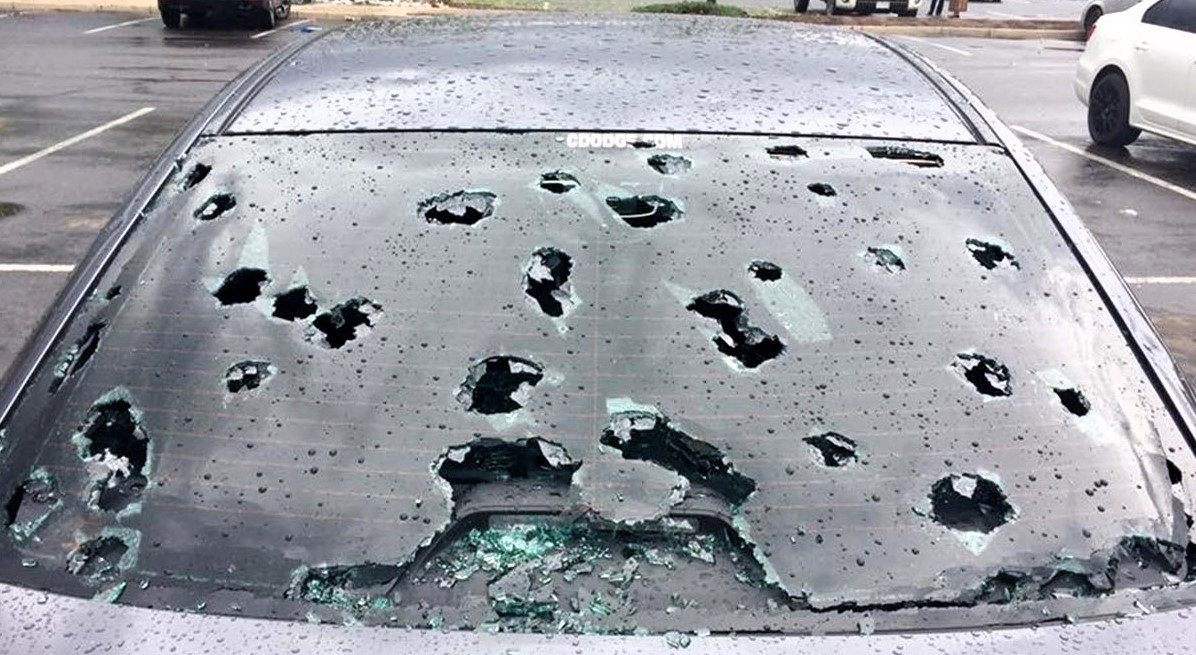
Hailstorms are a natural calamity that usually comes unannounced. If you own a car, you may ask yourself what size hail damages cars? The fact is that even small hailstones can do significant damage, particularly if your car is left outdoors. This blog will discuss the specifics of hail damage and how to understand when it is a real threat.
Knowledge of how big hail has to be to damage your car and its ability to destroy vehicles is important for all car owners. The knowledge of the risk makes you take precautionary measures such as seeking shelter or investing in protective covers. Hail damage isn’t just a cosmetic issue it can affect your car’s resale value, result in expensive repairs, and even compromise structural integrity.
Read Related – How We Can Clean Foggy Headlights: Simple and Easy Tips
How Hail is Measured
The size of hails is usually measured in inches or against common items like coins. Meteorologists are more likely to make such comparisons so that people can have a clear picture of what to expect when a storm occurs. The damage it can cause directly depends on its size.
As an example, hail the size of a pea can only leave water spots. But even hail as big as a golf ball or bigger can shatter the windshield or put a dent in the car roof. The larger the hailstone, the greater the amount of energy it possesses–and the greater the amount of harm it may produce. This is particularly worrying in the case of severe thunderstorms or supercell storms which are more likely to cause large hail.
How Big Does Hail Get to Be Dangerous?
At this point, we are going to answer the big question: what is the size of the hail that can damage your car? In most cases, hailstones that are bigger than 1 inch in diameter are said to be dangerous. It is approximately a quarter in size. This size of hail is able to dent metal, break glass, and paint.
But, the speed and angle of impact of the hail on your vehicle are also a factor of damage. Even the smaller hailstones can be blown to dangerous speeds by high winds. It is not only about size, though, it is also about the impact force and exposure time. The risk is greater in case you live in the hail-prone states such as Texas, Colorado, or Oklahoma.
How to Protect Your Car from Hail Damage
Protecting your car from hail doesn’t have to be complicated. A few smart decisions can save you thousands in repair bills. The best way to avoid damage is to keep your car in a garage or under a shelter during storm warnings.
When parking outside, try to find covered parking or use a hail car cover. These covers are made of thick, padded material that can absorb impact. It’s also wise to keep an eye on weather forecasts, especially during storm season, and sign up for weather alert apps to get timely warnings.
What to Do If You’re Caught in a Hailstorm
At times, it is impossible to escape hailstorms. If you are driving and a storm begins, then stop safely. Pull over under a bridge or any shelter. If there is no shelter around, park your car with the hail hitting the front, which is stronger than side panels or windows.
Remain in the car during the storm. Huge hailstones may injure you, and going outside can be dangerous. After the storm, check your car for damages and record everything for auto insurance claims.
Common Hail Sizes and Their Damage Potential
Here’s a quick guide to hail sizes and what they typically do to a vehicle:
- Pea-sized (0.25 inch): Usually harmless, but can leave water spots
- Marble-sized (0.5 inch): Rarely causes damage, but may chip paint
- Dime-sized (0.7 inch): Minor dents possible, especially on thin panels
- Quarter-sized (1 inch): Likely to dent and scratch surfaces
- Golf ball-sized (1.75 inches): Can shatter windows and crack windshields
- Baseball-sized (2.75 inches): Major damage, including body dents and glass breakage
Even smaller hail can damage a car if combined with strong winds. That’s why it’s important not to ignore weather alerts and understand what size hail damages cars so you can act accordingly.
Insurance and Hail Damage
Most car insurance policies include hail damage in the comprehensive coverage option. This coverage is very important if you live in an area that is prone to hail. Make a claim as soon as the damage is done.
Take good pictures of all affected areas. Take close-up shots of dents, broken glass, and scratched paint. These images will aid your claim and make the process faster. It’s also good to have repair estimates and service records ready to support your case.
Signs That Your Car Has Hail Damage
Hail damage isn’t always obvious right away. Sometimes, dents and scratches are small and hard to spot. Here are a few things to look for after a hailstorm:
- Dents on the hood, roof, and trunk
- Broken or chipped windshield
- Cracked or missing side mirrors
- Scratches or paint chips
- Unusual noises from inside panels
Even if the damage seems minor, it’s wise to get your car checked by a professional auto repair technician. Small dents can weaken the metal and lead to rust if left untreated.
Repair Options for Hail Damage
Once you confirm your car has hail damage, explore your repair options. Paintless Dent Repair (PDR) is a popular method. It removes dents without affecting the car’s paint and is usually cheaper than traditional bodywork.
Another option is full body repair, which may include repainting and replacing damaged panels. Your choice will depend on the severity of the damage and your insurance coverage. Get multiple estimates to find the best deal.
Conclusion
So, what is the size of hail that can damage your cars? The response is: any hail that is greater than 1 inch in diameter can be dangerous particularly with powerful winds or when it is exposed for a long duration. Hail may cause expensive repairs and value depreciation to your car. This is why prevention and fast response are so significant.
Monitor weather conditions when there is a storm and be ready to take action. Park in secure places, wear protective equipment, and think of renewing your car insurance. One small effort can save you a lot of stress and money in the long run.