
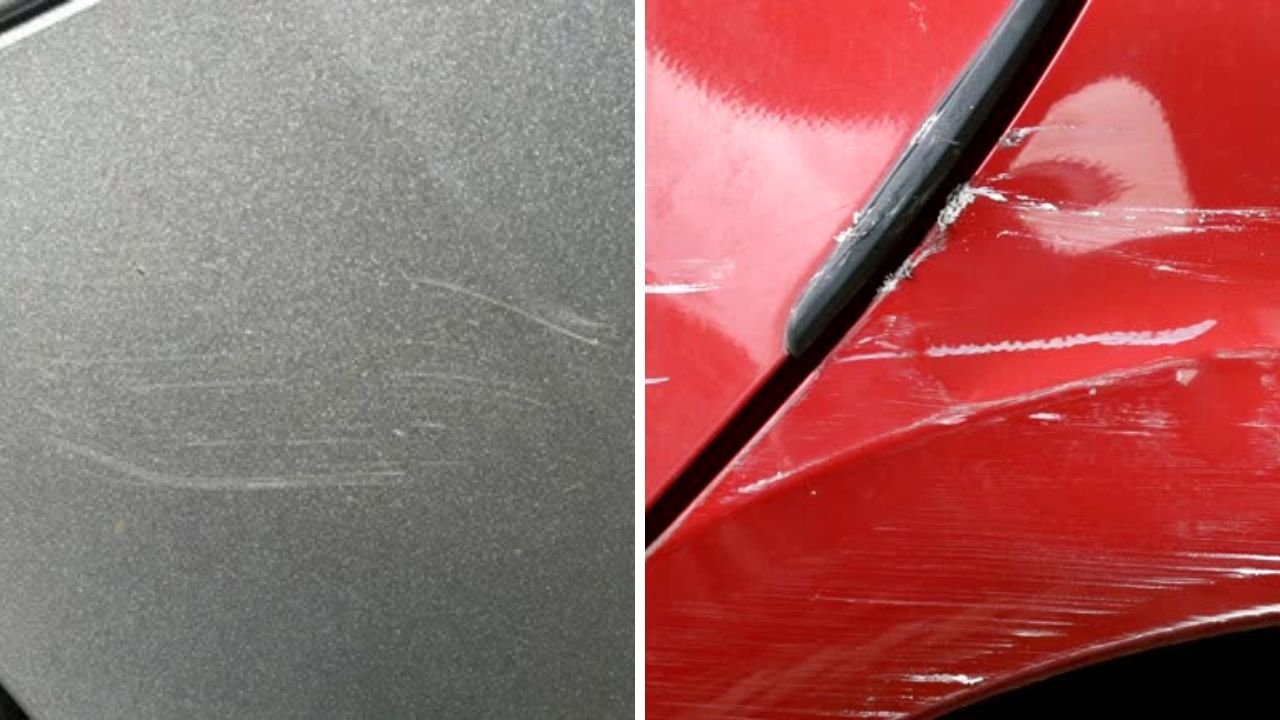
The paint on a car serves two essential purposes by defending the body structure against rust formation and UV rays and corrosion. A scratch in the paint compromises the protective layer of the body. Every car scratch reveals a unique story about the events that caused it regardless of whether it is a shallow surface mark or a severe deep cut.
The source of car scratches includes negligent parking lot drivers as well as natural elements such as falling branches and loose gravel. No matter the source, knowing how to deal with the different types of car scratches can help you restore your car’s finish and maintain its value.
Read Related – What Are the Different Types of Car Scratches?
Herein we will take you through the different kinds of car scratches, the causes, how to repair them both by hand and professionally, and how to avoid the recurrence of the same. Let us keep your car shiny, safe and presentable.
Breaking Down the Common Types of Car Scratches
The exterior of your car consists of three protective layers starting with the clear coat followed by the base coat and finishing with the primer. A scratch damages at least one layer among the clear coat base coat and primer. Clear coat scratches remain shallow enough to fix
through the application of polish. Base coat scratches require touch-up paint
because they become more visible to the eye. The primer and metal beneath it
become exposed when a scratch occurs so immediate treatment is needed to stop rust formation.
The most frequent types of car scratches include swirl marks, scuffs, paint transfer, key marks, and deep primer scratches. Each type has a different level of severity and repair process. Understanding what you’re dealing with allows you to select the right fix and avoid making things worse with the wrong treatment.
Clear-Coat Scratches
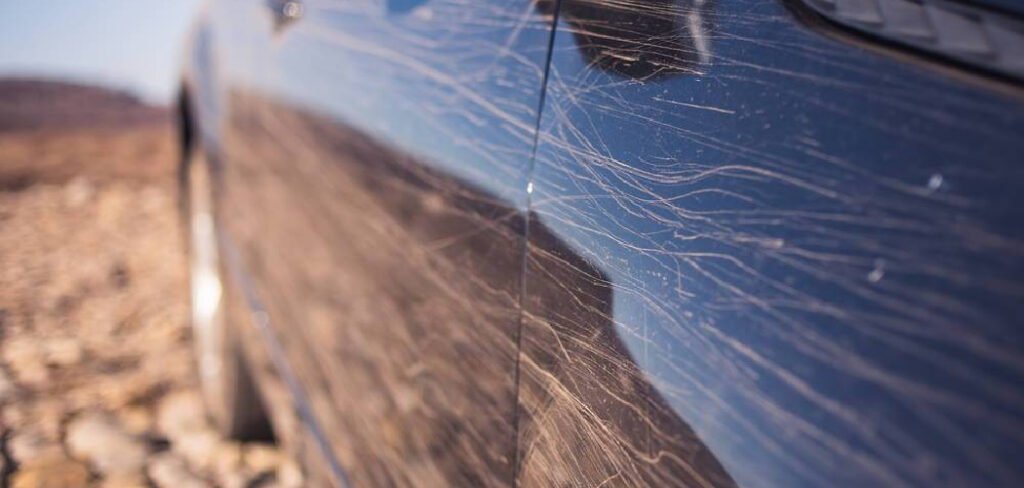
The highest layer of the car’s paint job is called a clear coat; it is transparent and gives the paint a glossy finish. Additionally, it shields the paint surface from the weather, extending its lifespan.
Daily wear and tear, such as dusting, cleaning, and other little scratches, is what causes scratches on the clear coat surface. When examined closely, scratches on the clear coat can be seen to resemble swirls, whorls, straight lines, and occasionally white lines when illuminated.
How to fix it
The simplest to repair, these scratches typically just need to be gently cleaned and waxed. Scratches can be removed by buffing the wax. The first dirt and grime on the surface are removed by gentle washing, and the residual water is removed by wiping with a soft microfiber cloth.
Waxing is the final procedure, which must also be done extremely carefully. The car could sustain a fresh set of scratches after being pressure-buffed!
Surface-Level Scratches
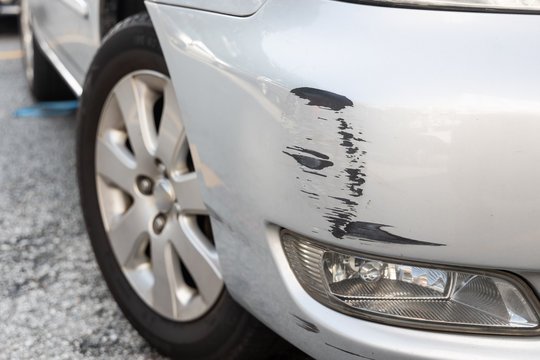
The minor surface defects appear similar to damaged protector screen on mobile devices because they commonly develop from accidental encounters with small foreign objects and plants. The surface flaws do not give a good impression to the eye yet they can harm the car’s glossy finish.
How to fix it
A professional detailer can provide an immaculate fix for this issue however a high-quality scratch remover with soft microfiber cloth can handle minor scratches.
Specialists apply modern techniques and methods that restore paint back to its factory state through advanced systems for creating permanent repairs better than those achieved by improvised home solutions.
Paint Transfer Scratches
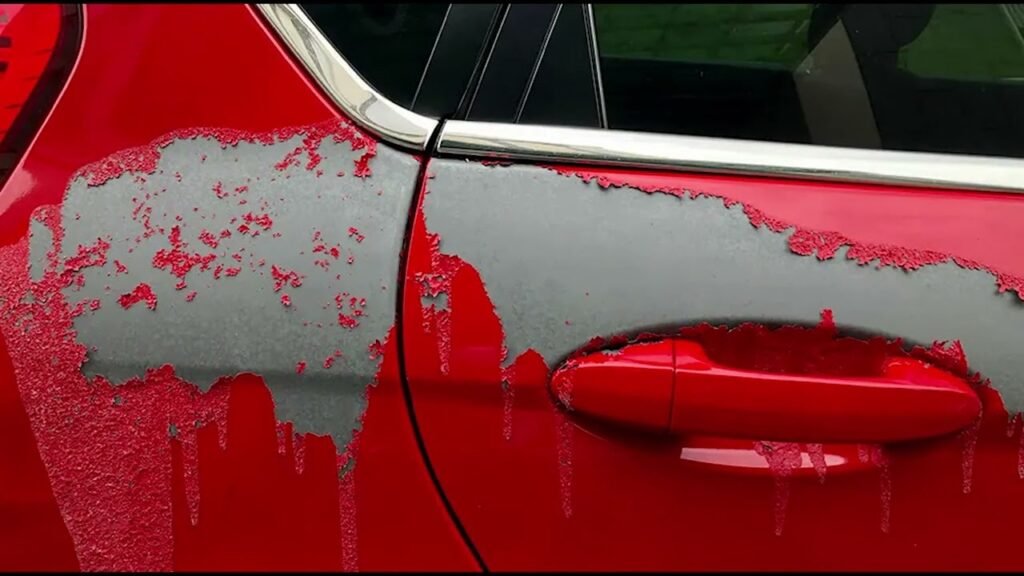
Your vehicle develops paint transfer scratches when its body surface touches another painted object which results in transferred paint on your car. These scratches may appear severe but tend to be easier to repair than expected.
How to fix it
The treatment requires professional help to protect original paintwork but specialists can use a specific rubbing chemical to remove the transferred paint. Auto body technicians use specific procedures to eliminate foreign paint while maintaining the original finish of the car.
How the Different Types of Car Scratches Happen
Accidental scratches make up only part of the damaged area affecting vehicles because everyday activities also lead to scratches. Many result from routine habits or even improper cleaning techniques. The use of unclean rough sponges in car washing tasks
generates small marks on the vehicle surface. One can easily cause door dings or key marks by parking
their vehicle too near other vehicles. Surface damage can appear on your car after simple
brushing even with a zipper or ring.
Common causes of the different types of car scratches include:
- Automatic car washes with abrasive brushes
- Road debris hitting the car at high speeds
- Tree branches or bushes scraping the surface
- Accidental contact with sharp objects
- Minor collisions or tight parking
Recognizing these common triggers is the first step to prevention.
How to Identify Scratch Depth Without Tools
Before you start any repair, you need to know how deep the scratch is. Run your fingernail across it. If your nail doesn’t catch, the damage is likely only on the clear coat and can be fixed with a scratch remover.
If your nail catches but the scratch doesn’t expose metal, you’ll need touch-up paint and light sanding. But if you can see gray or silver underneath the paint, it’s reached the primer or body panel, and that’s when it’s time for professional help.
Understanding the depth of damage is key to planning the next step. A poor repair can make the problem worse especially with deeper scratches that may later peel, crack, or rust.
DIY Tips to Repair Types of Car Scratches at Home
Fixing your own car scratches isn’t as hard as it sounds especially for light damage. A basic scratch repair can take less than an hour if done correctly. Start by cleaning the area thoroughly to remove any dirt or oils. Apply a scratch remover or rubbing compound using a microfiber cloth. Rub gently in circular motions, then buff and polish.
For deeper scratches, you’ll need a repair kit with touch-up paint that matches your car’s color code. After applying paint in layers, sand the area lightly with 2000-grit paper, then seal it with clear coat. Finish with a final polish for smoothness and shine. This is one of the most effective methods to repair types of car scratches at home.
When to Choose a Scratch Repair Kit
Scratch repair kits are a lifesaver for car owners who want to fix minor paint damage without visiting a shop. These kits usually contain polish, sandpaper, applicator pads, and sometimes color-matched paint pens. They’re designed for shallow to mid-depth scratches, especially where the base paint is still intact.
Here’s when to use one:
- The scratch is longer than a coin but doesn’t show metal
- You can feel the scratch with your nail but it’s not peeling
- You want to avoid the cost of an auto body shop
Pro tip: Always read instructions carefully, and work in shaded areas to prevent products from drying too fast.
Professional Repairs When the Body Shop Is Best
Sometimes, scratches are too deep or too widespread to fix at home. If the scratch exposes the metal underneath or has led to rust, a professional service is the best option. An auto body shop has the tools and skills to blend paint perfectly and restore your car’s original finish. They’ll also apply a fresh clear coat and polish that’s likely to last longer than DIY products.
Professionals use techniques like wet sanding, high-speed buffing, and computerized color matching to achieve flawless results. This option is more expensive but provides peace of mind when precision is needed.
Simple Habits That Prevent Scratches
The perfect scratch is the one that does not occur. There are a couple of easy steps that you can take in your everyday routine and avoid any form of paint damage. Wipe your car with soft microfiber cloths and do not use bath towels or paper products to dry your car. Park in a place that is not crowded and do not park in streets with trees that may drop sap or branches on your vehicle.
You can also add protection using:
- Ceramic coatings for long-term paint defense
- Paint protection films (PPF) for high-impact zones
- Regular waxing for a hydrophobic, protective finish
These solutions add a durable barrier against many environmental threats and reduce the chances of future scratches.
How to Choose the Right Method to Repair Car Scratches
There are numerous solutions to this, but the correct choice of scratch repair is dependent on a number of factors: the depth of the scratch, your budget, and the tools that you feel comfortable working with. A polishing compound is sufficient in case it is a light swirl or scuff.
Touch-up paint and light sanding are needed to do more serious work. When there is any primer or metal that is exposed, then do not take any chances and leave it to the professionals.
Regardless of the technique you use, it is always advisable to prepare the area beforehand and apply products in a dust-free and shaded area. Regular maintenance will save you thousands of dollars in the future.
Final Thoughts:
Scratches on cars are part of life but they do not need to be permanent. Most of them can be repaired in a short period and successfully with the right tools and with a bit of patience. Knowing the kinds of car scratches will make you get on your feet quickly and use the most appropriate way to repair it, whether it be a compound, touch-up paint or employing the services of a professional.
With such simple measures as regular washing, clever parking, and protective coating, you will not have to deal with the various forms of car scratches at all. Maintain a clean and well-kept car and retain value.
With a few simple measures such as washing regularly, smart parking, and applying protective coating, you will never have to deal with the various forms of scratches on cars at all. Maintain your car in good condition and take good care of it.